 EN
EN
 AR
AR
 BG
BG
 HR
HR
 CS
CS
 DA
DA
 NL
NL
 FI
FI
 FR
FR
 DE
DE
 EL
EL
 HI
HI
 IT
IT
 JA
JA
 KO
KO
 NO
NO
 PL
PL
 PT
PT
 RO
RO
 RU
RU
 ES
ES
 SV
SV
 TL
TL
 IW
IW
 ID
ID
 SR
SR
 UK
UK
 VI
VI
 HU
HU
 TH
TH
 TR
TR
 AF
AF
 MS
MS
 GA
GA
 BE
BE
 IS
IS
 EO
EO
 MY
MY
 KK
KK
 UZ
UZ


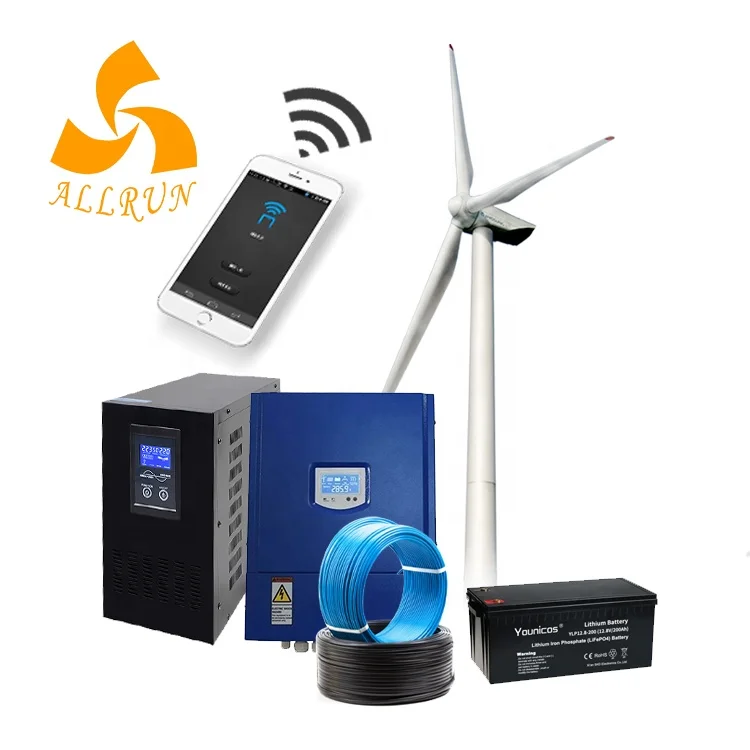
Wind turbines are machines that turn wind into energy. They help create electricity in a clean way. But how can we make them even better? One way is by using permanent magnet generators. These special generators can improve how well wind turbines work. They do this by making it easier to turn wind into electricity. When the wind blows, the turbines spin, and the generators help catch that energy.
Introduction
When we think about improving wind turbines, using permanent magnet technology is a smart choice. These generators are smaller and lighter than other types. This means they can be placed in more spots, even in areas with less wind. The magnets inside these generators help create electricity without needing a lot of extra parts. This not only saves space but also reduces wear and tear on the turbine. With fewer moving parts, there is less chance of something breaking. For example, in places where the wind isn't very strong, a wind turbine with a permanent magnet generator can still produce power. This makes it great for areas that might not have strong winds all the time. In addition, these generators can start producing electricity at lower wind speeds.
Benefits
Finding high-quality solar panel generator for wind turbines is important. You want to make sure they are made well so they work properly. Companies like ALLRUN are known for their quality. They design generators that last a long time and work well in different conditions. When looking for these generators, check if they have good reviews or recommendations. It's also helpful to ask about the technology used in them. The best generators will have advanced designs that maximize energy production. You can often find information on their websites or by contacting them directly. It’s a good idea to talk to experts who can guide you to the right choices.
Issues Arise with Permanent Magnet Generators in Wind Applications?
Permanent magnet generators (PMGs) are important for wind turbines. They help turn wind energy into electricity efficiently. However, they can have some problems that make them less effective. One common issue is overheating. When a PMG gets too hot, it can stop working or even get damaged. This can happen if the turbine is in very windy places or if the generator is not built well. Overheating can lead to a lot of downtime, which means the wind turbine won't produce energy.
How to Troubleshoot Common Problems with Permanent Magnet Generators in Wind Turbines
When problems happen with solar power generator for home it’s important to find out what is wrong. The first step is to check for overheating. If a generator is too hot, it might shut down. To fix this, you can check the cooling system. Make sure the air can flow freely around the generator. Cleaning any dirt or dust from the cooling vents can help. If the generator still overheats, it might be necessary to adjust the turbine settings. This can help reduce the strain on the generator.
Innovations in Permanent Magnet Generator Design Improve Wind Energy Efficiency?
Innovations in the design of solar generator for home are making wind energy more efficient. One big improvement is the use of new materials for the magnets. In the past, magnets were made from heavy materials that could be expensive. Now, engineers are using lighter and stronger materials that can work better. These new magnets can produce more energy without taking up too much space. This means that wind turbines can be smaller and still produce a lot of electricity.
Finally, smart technology is also being added to PMGs. These smart systems can monitor how the generator is performing in real time. If there is a problem, the system can alert the operators right away. This means that any issues can be fixed quickly, reducing downtime and increasing energy production. With these exciting innovations, permanent magnet generators are becoming key players in making wind energy more efficient and reliable for the future.