 EN
EN
 AR
AR
 BG
BG
 HR
HR
 CS
CS
 DA
DA
 NL
NL
 FI
FI
 FR
FR
 DE
DE
 EL
EL
 HI
HI
 IT
IT
 JA
JA
 KO
KO
 NO
NO
 PL
PL
 PT
PT
 RO
RO
 RU
RU
 ES
ES
 SV
SV
 TL
TL
 IW
IW
 ID
ID
 SR
SR
 UK
UK
 VI
VI
 HU
HU
 TH
TH
 TR
TR
 AF
AF
 MS
MS
 GA
GA
 BE
BE
 IS
IS
 EO
EO
 MY
MY
 KK
KK
 UZ
UZ


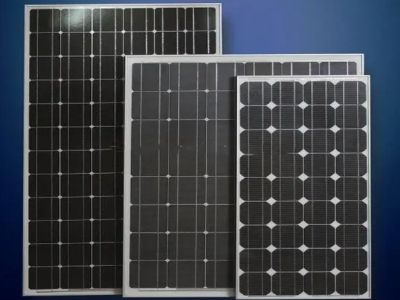
When you live far from the city or want to save money on electricity, an off-grid Solar panel system can help. This type of system uses sunlight to create energy, which is helpful for homes away from regular power lines. Setting up your own solar system might sound tricky, but it can be done with some easy steps. Our brand, ALLRUN, offers great solar kits that make this process easier. We will talk about how to choose the best solar kit and how to make it work better for your home
Importance of Choosing the Right Off-Grif Solar System
Choosing the right off-grid solar system kit is very important. You should first think about how much energy your home needs. You can find this out by looking at your electricity bills or checking how many devices you use daily. For example, if you have a fridge, a few lights, and some electronics, you might need a kit that can provide at least 1,500 watts of power. ALLRUN offers different kits, so you can pick one that matches your needs. You also need to consider the size of the Solar system panels and batteries. Larger panels can catch more sunlight, and bigger batteries can store more energy for cloudy days. Think about where you will place the solar panels. They should be on a roof or an open area with lots of sunlight. If you live in a place with heavy snow or high winds, make sure the kit you choose is strong enough to handle those conditions. Lastly, check if the kit comes with good instructions. It’s easier for you if the kit has everything you need, like cables and connectors. A good kit will make setting up your solar system simpler and faster
Ways to Optimize Your Off-Gird Solar System
After you have your off grid solar panel system kit set up, you want to make sure it works as well as possible. There are a few ways to optimize your system. First, the angle of your solar panels matters a lot. If you tilt them towards the sun, they can catch more light. You can use a solar angle calculator to find out the best angle for your area. Another important point is keeping the panels clean. Dust and dirt can block sunlight, so wash them every few months. Also, monitor your battery levels. If your batteries are full, you can manage how much energy you use at night. For example, try to use your washing machine during the day when the sun is shining and save battery power for nighttime. Additionally, consider using energy-efficient appliances. Devices that use less energy will help your system last longer. Using LED bulbs instead of regular light bulbs is a simple change that can make a big difference. Lastly, always look for new ways to save energy. This could mean using less power when you don’t need to or finding better ways to store the energy you produce. With these tips, you can make the most of your ALLRUN solar kit and enjoy the benefits of living off the grid
Common Usage Issues with Off-Grid Solar Systems and How to Solve Them
When using an off-grid solar system, there can be some problems that people face. One common issue is not having enough energy. This can happen if the solar panels do not get enough sunlight. If your solar panels are in a shady spot, they will not produce as much power. To solve this, you should place your solar panels where they can get the most sunlight. Look for an area that is open and gets sunshine for most of the day. Another issue is battery problems. Batteries store the energy your solar panels create. If the batteries are too small, you might run out of power when you need it. To fix this, you can choose bigger batteries that can store more energy. Also, make sure to check the batteries often and keep them charged. Sometimes, people forget to do this, and the batteries can be damaged. Another issue is having the right equipment. If your solar system does not have the right parts, it may not work well. For example, if you have appliances that use a lot of power, but your system is weak, it can cause problems. To solve this, you need to know how much power your appliances use. You can then make sure your solar system is strong enough to handle all of them. Lastly, weather can also affect your off-grid solar system. If there are many cloudy days, your solar panels might not work as well. In this case, you can have a backup generator or extra battery storage. This way, you will still have power even when the sun is not shining. With ALLRUN, we can help you find solutions to these problems and make sure your off-grid solar system works well
What to Consider When Configuring an Off-Grid Solar System for Remote Locations
When setting up an off-grid solar system for a remote house, there are several important things to think about. First, it's essential to know how much energy you need. This means understanding the appliances you will use and how much power they need. For example, a refrigerator uses more energy than a light bulb. You will want to calculate the total energy needed for everything in your house. This will help you choose the right solar panels, batteries, and other equipment. Next, think about the location of your house. Is it in a sunny area? If your house is in a place where it gets a lot of sunshine, you can generate more energy with your solar panels. Make sure to place the panels where they can capture the maximum sunlight. You should also consider the weather. If you live in a place with many cloudy days, you may need extra batteries or a backup power system. Another important factor is the type of solar system you want. There are different types of solar kits available. Some are designed for smaller homes, while others are for larger ones. ALLRUN has various options that can fit your needs. You should also think about the cost. Setting up an off-grid solar system can be expensive, but it can save you money in the long run. Look for high-quality products that will last a long time. Finally, consider how much maintenance the system will need. You want a system that is easy to maintain so you can enjoy your off-grid living without too much hassle
How to Calculate Energy Needs for Your Off-Grid Solar System Kit
Calculating your energy needs for an off-grid solar system is a crucial step. To start, you need to list all the appliances and devices you plan to use in your home. This includes lights, refrigerators, televisions, and any other electronic devices. Next, check how much power each of these devices uses. This information is usually found on a label on the device or in the user manual. The power is measured in watts. Once you have the wattage for each appliance, you will need to figure out how many hours each device will be used each day. For example, if your light uses 10 watts and you use it for 5 hours a day, it will use 50 watt-hours (10 watts x 5 hours = 50 watt-hours). Do this for all your appliances and add them up. This total will give you your daily energy needs in watt-hours. After you know how much energy you need each day, you can choose the right solar system. For example, if your daily energy need is 1,000 watt-hours, you will want solar panels that can create enough energy to meet that need. It is a good idea to have a little extra capacity, just in case. ALLRUN can help you find the right size solar panels and batteries based on your calculations. Also, remember to consider the days when there might be less sunlight. You might want to store extra energy in batteries for those times. By carefully calculating your energy needs, you can ensure your off-grid solar system will work well and provide you with the energy you need.
Table of Contents
- Importance of Choosing the Right Off-Grif Solar System
- Ways to Optimize Your Off-Gird Solar System
- Common Usage Issues with Off-Grid Solar Systems and How to Solve Them
- What to Consider When Configuring an Off-Grid Solar System for Remote Locations
- How to Calculate Energy Needs for Your Off-Grid Solar System Kit