 EN
EN
 AR
AR
 BG
BG
 HR
HR
 CS
CS
 DA
DA
 NL
NL
 FI
FI
 FR
FR
 DE
DE
 EL
EL
 HI
HI
 IT
IT
 JA
JA
 KO
KO
 NO
NO
 PL
PL
 PT
PT
 RO
RO
 RU
RU
 ES
ES
 SV
SV
 TL
TL
 IW
IW
 ID
ID
 SR
SR
 UK
UK
 VI
VI
 HU
HU
 TH
TH
 TR
TR
 AF
AF
 MS
MS
 GA
GA
 BE
BE
 IS
IS
 EO
EO
 MY
MY
 KK
KK
 UZ
UZ


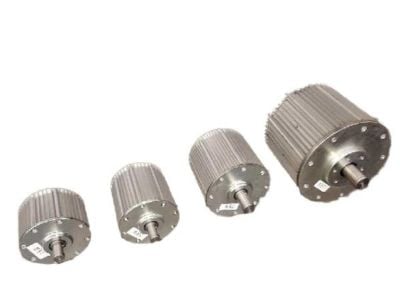
Choosing the right vertical wind turbine for home use is an important decision that can significantly impact your energy efficiency and sustainability efforts. With a variety of options available, buyers often have concerns about performance, installation, maintenance, and overall value. This article will guide you through the essential factors to consider when selecting a suitable vertical wind turbine kit, ensuring you make an informed choice.
How to Choose the Right Vertical Wind Turbine for Your Home?
When selecting a vertical wind turbine for residential use, several key factors must be addressed:
Energy Needs: Determine your household's energy consumption. This will help you choose a turbine with the appropriate capacity to meet your needs. Vertical small wind turbine vary in output, generally ranging from 300 watts to several kilowatts.
Site Assessment: Evaluate the wind conditions at your location. The average wind speed, turbulence, and sur
rounding structures can influence the turbine's efficiency. A site with consistent wind flow will yield better results.
Turbine Specifications: Look for turbines made from durable materials, such as high-strength aluminum or fiberglass, which can withstand harsh weather conditions. Pay attention to the rotor diameter and height, as these affect energy capture.
Regulatory Compliance: Ensure that your chosen turbine complies with local regulations and zoning laws. This may include obtaining permits or adhering to height restrictions.
Installation Requirements: Consider whether you will self-install or hire professionals. If opting for professional installation, inquire about their experience with vertical access wind turbines and the associated costs.
Budget: Evaluate your budget not only for the initial purchase but also for installation and maintenance costs. Understanding the total cost of ownership is crucial for long-term investment.
What Makes a Wind Turbine Stand Out?
Several features can differentiate a high-quality vertical wind turbine from others in the market:
Design: The design of the turbine impacts its efficiency and performance. Look for models with innovative designs that minimize noise and vibration, as these can be more suitable for residential areas.
Safety Features: Turbines equipped with automatic braking systems or furling mechanisms can protect against high winds and potential damage, making them safer for home use.
Noise Levels: Noise can be a significant concern for residential installations. Turbines with lower decibel ratings are generally preferable, particularly in urban or suburban settings.
Warranty and Support: A robust warranty indicates manufacturer confidence in their product. Look for turbines with at least a five-year warranty and responsive customer support.
Efficiency Ratings: Review the efficiency ratings provided by the manufacturer. Higher ratings indicate better energy conversion, ensuring you get the most from your investment.
What to Expect When Purchasing Wind Turbines?
Purchasing a vertical wind turbine involves several steps and considerations:
Quotation Process: When seeking quotes, provide detailed information about your energy needs, site conditions, and any specific features you desire. This helps suppliers offer tailored recommendations.
Lead Times: Understand that lead times can vary based on the manufacturer and the complexity of your order. Standard models may have shorter lead times compared to customized solutions.
Quality Inspection: Before finalizing your order, request to review any quality assurance processes the manufacturer employs. This might include inspection protocols or certifications that affirm product quality.
Shipping and Handling: Shipping costs can vary significantly based on the turbine size and destination. Be sure to ask about packaging methods that ensure the turbine arrives undamaged.
After-Purchase Support: Inquire about post-purchase support, including installation guidance and maintenance services. A reliable supplier will offer assistance well beyond the sale.
Applications of Vertical Wind Turbines in Residential Settings
Vertical wind turbines are increasingly popular in residential applications due to their versatility and efficiency:
Off-Grid Solutions: For homes seeking to become energy independent, vertical wind turbines can complement solar systems, providing a reliable power source.
Urban Environments: Their compact design makes vertical turbines suitable for urban settings, where space is limited and aesthetics are essential. They can be installed on rooftops or in small yards without disrupting the neighborhood.
Supplementing Energy Needs: Homeowners can use vertical wind turbines to supplement energy from the grid, potentially lowering electricity bills and contributing to a smaller carbon footprint.
Remote Locations: In remote areas, where traditional power lines may not reach, vertical wind turbines can provide a practical energy solution, enhancing the quality of life.
Features and Benefits Overview
When evaluating vertical wind turbines, consider the following features and their benefits:
Durability: High-quality materials and construction techniques ensure durability, allowing the turbine to withstand severe weather conditions.
Efficiency: Advanced aerodynamic designs can enhance energy conversion, maximizing output even in lower wind conditions.
Low Maintenance: Many modern turbines are designed for minimal maintenance, with features that reduce wear and tear over time.
Aesthetic Options: Various designs and colors are available, allowing homeowners to choose a turbine that fits their property’s aesthetics while still being functional.
Environmental Impact: By harnessing wind energy, residential turbines reduce reliance on fossil fuels, contributing to a more sustainable future.
In summary, selecting a suitable vertical wind turbine for home use involves careful consideration of energy needs, site conditions, and turbine specifications. By understanding what makes a turbine stand out, what to expect during the purchasing process, and the various applications, you can make an informed decision that aligns with your energy goals.