 EN
 AR
 BG
 HR
 CS
 DA
 NL
 FI
 FR
 DE
 EL
 HI
 IT
 JA
 KO
 NO
 PL
 PT
 RO
 RU
 ES
 SV
 TL
 IW
 ID
 SR
 UK
 VI
 HU
 TH
 TR
 AF
 MS
 GA
 BE
 IS
 EO
 MY
 KK
 UZ


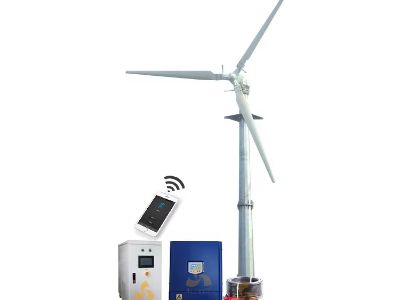
Tiny wind turbines are increasingly recognized as viable energy solutions for households and remote cabins. These compact systems harness wind energy to provide power where traditional energy sources may be unavailable or impractical. When considering tiny wind turbine features for household and remote cabin use, buyers often prioritize efficiency, cost-effectiveness, and installation ease. This article aims to equip purchasing managers, engineers, and product managers with the necessary insights to make informed decisions when selecting and installing tiny wind turbines.
How to Choose the Right Tiny Wind Turbine for Your Needs?
Choosing the right tiny wind turbine involves assessing several key factors, including power output requirements, site conditions, and budget constraints. First, consider the energy needs of your household or cabin. Tiny wind turbines vary widely in power output, typically ranging from 400 watts to 10 kilowatts. To select a suitable turbine, calculate your average energy consumption and match it with the turbine's production capacity.
Next, evaluate the wind conditions at your site. Tiny wind turbines perform optimally in areas with consistent wind speeds of at least 10 miles per hour. Tools like an anemometer can help you gauge local wind patterns, which is crucial for determining the appropriate turbine specifications. Additionally, consider the physical space available for installation. Different models come with varying height and rotor diameter requirements, so ensure that your site can accommodate the small wind turbine turbine's dimensions.
Lastly, factor in your budget, not just for the initial purchase but also for installation and maintenance costs. While some turbines may have a lower upfront cost, they could result in higher long-term expenses if they require frequent repairs or replacements.
Evaluating Quality Standards in Tiny Wind Turbines for Homes
Quality standards for tiny wind turbines are critical to ensuring reliability and performance. When evaluating potential systems, look for compliance with established industry certifications such as the IEC 61400-2 standard, which covers small wind turbines. This certification assures that the turbine has undergone rigorous testing for safety, durability, and efficiency.
Material quality is another essential consideration. High-quality blades, typically made from reinforced fiberglass or carbon fiber, can significantly enhance performance and longevity. Ensure that the horizontal axis wind turbine turbine’s components, including the tower and electrical systems, are manufactured from durable materials resistant to corrosion and weather-related wear.
Manufacturing processes also impact overall quality. A reputable manufacturer will have strict quality control measures in place, including testing of individual components and complete systems before shipment. Inquire about the manufacturer's quality assurance protocols, as these can provide insights into the reliability of their products.
Installation Guidelines for Tiny Wind Turbines in Remote Locations
Installing tiny wind turbines in remote locations requires careful planning and execution to ensure optimal performance. Begin by selecting an appropriate installation site, ideally on elevated ground free from obstructions like trees or buildings that may impede wind flow. The turbine should be installed at a height sufficient to capture unobstructed wind; typically, the higher the turbine, the better the energy production.
Before installation, verify local regulations and obtain the necessary permits, as some areas have specific zoning laws governing the installation of horizontal access wind turbine. Additionally, consider the logistics of transporting equipment to the remote site. Depending on the location, you may need to arrange for specialized transport or even helicopter delivery for larger units.
During installation, follow the manufacturer’s guidelines meticulously. This includes proper anchoring of the turbine to withstand high winds and ensuring that electrical connections are secure and weatherproof. It’s often beneficial to engage professional installers with experience in wind turbine systems, as they can help avoid common pitfalls and ensure compliance with safety standards.
Common Installation Problems and Solutions for Tiny Wind Turbines
Several common installation problems can arise with tiny wind turbines, often stemming from site selection, technical issues, or installation practices. One frequent issue is inadequate wind exposure due to improper siting. If a turbine is placed too close to obstructions, it may underperform. Regularly assess the site, and if necessary, relocate the turbine to a more favorable position.
Electrical issues can also occur, particularly if the wiring is not installed correctly. Ensure that all connections are properly insulated and that the system is grounded to prevent electrical hazards. Routine maintenance checks can help identify and rectify wiring problems before they lead to system failures.
Another common challenge is securing the turbine against extreme weather conditions. Turbines in areas prone to high winds should be equipped with mechanical braking systems or other safety features to prevent damage during storms. Buyers should confirm that their chosen model includes these safety mechanisms and understand how to operate them effectively.
Where to Source Reliable Suppliers of Tiny Wind Turbines for Projects?
Sourcing reliable suppliers of tiny wind turbines is crucial for ensuring quality and performance. Start by researching manufacturers with a proven track record in the wind energy sector. Look for companies that specialize in small-scale wind systems and have positive customer reviews and testimonials. The credibility of a manufacturer can often be gauged by their standing in industry associations and participation in renewable energy initiatives.
When evaluating suppliers, request detailed product specifications and information on warranties and after-sales support. A reputable supplier should be willing to provide documentation of quality standards and certifications, as these are indicative of their commitment to product excellence.
Additionally, consider suppliers that offer customization services, as this can help tailor the turbine to specific project requirements. Engaging with suppliers who provide comprehensive support throughout the purchasing process, from technical consultation to installation assistance, can significantly enhance the overall project experience.
understanding tiny wind turbine features for household and remote cabin use is essential for making informed purchasing decisions. By focusing on quality standards, installation guidelines, and reliable suppliers, buyers can effectively harness wind energy for sustainable power solutions.
Table of Contents
- How to Choose the Right Tiny Wind Turbine for Your Needs?
- Evaluating Quality Standards in Tiny Wind Turbines for Homes
- Installation Guidelines for Tiny Wind Turbines in Remote Locations
- Common Installation Problems and Solutions for Tiny Wind Turbines
- Where to Source Reliable Suppliers of Tiny Wind Turbines for Projects?