 EN
EN
 AR
AR
 BG
BG
 HR
HR
 CS
CS
 DA
DA
 NL
NL
 FI
FI
 FR
FR
 DE
DE
 EL
EL
 HI
HI
 IT
IT
 JA
JA
 KO
KO
 NO
NO
 PL
PL
 PT
PT
 RO
RO
 RU
RU
 ES
ES
 SV
SV
 TL
TL
 IW
IW
 ID
ID
 SR
SR
 UK
UK
 VI
VI
 HU
HU
 TH
TH
 TR
TR
 AF
AF
 MS
MS
 GA
GA
 BE
BE
 IS
IS
 EO
EO
 MY
MY
 KK
KK
 UZ
UZ


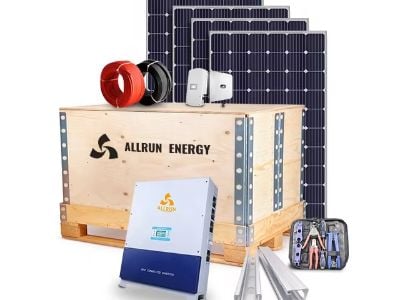
Off-grid photovoltaic (PV) systems are increasingly becoming the go-to solution for powering remote areas without access to traditional grid infrastructure. These systems harness solar energy, providing a reliable and sustainable power source for various applications, from residential buildings to industrial operations. This article explores why off-grid PV systems are favored in remote areas, addressing key concerns that B2B buyers, such as purchasing managers and engineers, may have when considering such systems. We will cover the benefits, selection criteria, cost factors, sourcing suppliers, and the quality control measures necessary for these systems.
What Are the Key Benefits of Off Grid PV Systems for Remote Areas?
Off-grid PV systems offer several advantages tailored to the unique needs of remote areas. First and foremost, they provide energy independence. In locations where extending the electrical grid is economically unfeasible, off-grid systems allow users to generate their own power, reducing reliance on costly fuel sources and enhancing energy security. Another significant benefit is sustainability. Off-grid PV systems utilize renewable solar energy, significantly lowering carbon footprints compared to fossil fuel-based power generation. This is particularly important for industries looking to meet sustainability goals or comply with environmental regulations. Additionally, off-grid systems are highly customizable. They can be designed to meet specific energy needs, incorporating components such as battery storage and inverters tailored to particular applications. This flexibility allows for optimized performance based on the unique characteristics of pv system solar installations, such as varying sunlight exposure and energy consumption patterns. Lastly, maintenance requirements are typically lower than those for conventional generators or grid systems. The technology behind solar panels has advanced, leading to longer lifespans and fewer operational issues, making them a reliable choice for remote power generation.
How to Choose the Best Off Grid PV System for Your Needs?
Selecting the right off-grid PV system involves several critical considerations. First, assess your energy requirements. Calculate the total wattage needed for your application, factoring in peak usage times and potential growth in energy consumption. This will help determine the size of the solar array and battery storage required.
Next, consider the system components. High-quality solar panels, inverters, and batteries are vital for ensuring efficient energy conversion and storage. Look for products that provide warranties, indicating their durability and quality. It’s also essential to evaluate the compatibility of components to avoid performance issues.
Additionally, think about the installation environment. solar photovoltaic pv system areas may present unique challenges, such as harsh weather conditions or difficult terrain. Ensure that the selected system can withstand these conditions, featuring robust materials and protective coatings.
Finally, consult with suppliers who offer professional design and installation services. Their expertise can help tailor a solution that meets your specific requirements while ensuring compliance with local regulations and standards.
Cost Factors to Consider When Purchasing Off Grid PV Systems
When evaluating cost, consider both the initial investment and long-term operational expenses. Initial costs will include purchasing solar panels, batteries, inverters, and installation services. It's crucial to obtain multiple quotes from suppliers to ensure competitive pricing and assess the value based on included services and warranties.
Operational costs include maintenance and potential replacement of components over time. While solar panels generally have long lifespans, other components like batteries may require replacement after several years, depending on usage and technology.
In addition, consider the return on investment (ROI). Off-grid systems can significantly lower electricity bills and reduce reliance on fuel, leading to savings over time. Calculate the payback period by estimating how long it will take for energy savings to cover the initial investment.
Lastly, be aware of any financing options or government incentives available for renewable energy projects, as these can greatly influence the overall cost.
Where to Source Reliable Off Grid PV System Suppliers?
Sourcing reliable suppliers for off-grid PV systems requires due diligence. Start by researching manufacturers with a proven track record in solar energy solutions. Check for industry certifications, such as ISO standards or other quality assurance marks, which can indicate a commitment to quality and performance.
Networking with industry professionals and attending trade shows can also provide valuable insights into reputable suppliers. Collect recommendations from previous customers and inquire about their experiences regarding product performance and customer service.
Once you have a shortlist, evaluate suppliers based on their product range, customization capabilities, and after-sales support. It's essential to choose a supplier who can provide technical assistance and maintenance services, ensuring that your system operates efficiently throughout its lifespan.
Quality Control Measures in Manufacturing Off Grid PV Systems
Quality control is paramount in the manufacturing of off-grid PV systems. Buyers should look for manufacturers that implement rigorous testing protocols to ensure component reliability and performance. This includes testing solar panels for efficiency under various conditions and verifying the durability of batteries and inverters.
Manufacturers should also adhere to international quality standards throughout their production processes. This ensures that every component meets safety and performance benchmarks, which is vital for installations in remote areas where service access may be limited.
Additionally, buyers should consider requesting samples before committing to large orders. This allows for firsthand evaluation of product quality, including performance under expected operating conditions. During this phase, checking for certifications and performance data from independent testing labs can further assure quality.
Finally, a transparent communication channel with the supplier regarding quality control measures is crucial. Understanding the manufacturing processes, quality checkpoints, and potential issues that may arise can help buyers make informed decisions and mitigate risks associated with their investment.
In summary, off-grid PV systems present a compelling choice for stand alone pv system areas due to their energy independence, sustainability, and customize ability. By carefully considering the benefits, selecting the appropriate system, evaluating cost factors, sourcing reliable suppliers, and ensuring quality control, B2B buyers can make informed decisions that align with their energy needs and operational goals.
Table of Contents
- What Are the Key Benefits of Off Grid PV Systems for Remote Areas?
- How to Choose the Best Off Grid PV System for Your Needs?
- Cost Factors to Consider When Purchasing Off Grid PV Systems
- Where to Source Reliable Off Grid PV System Suppliers?
- Quality Control Measures in Manufacturing Off Grid PV Systems