 EN
EN
 AR
AR
 BG
BG
 HR
HR
 CS
CS
 DA
DA
 NL
NL
 FI
FI
 FR
FR
 DE
DE
 EL
EL
 HI
HI
 IT
IT
 JA
JA
 KO
KO
 NO
NO
 PL
PL
 PT
PT
 RO
RO
 RU
RU
 ES
ES
 SV
SV
 TL
TL
 IW
IW
 ID
ID
 SR
SR
 UK
UK
 VI
VI
 HU
HU
 TH
TH
 TR
TR
 AF
AF
 MS
MS
 GA
GA
 BE
BE
 IS
IS
 EO
EO
 MY
MY
 KK
KK
 UZ
UZ


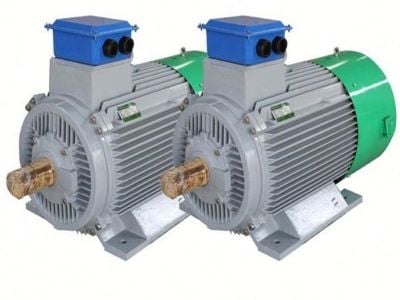
Integrating renewable energy sources like solar and wind is essential for sustainable energy management. Understanding how to match a solar storage system with a wind turbine can enhance energy efficiency and reliability for industrial applications. B2B buyers, such as purchasing managers and engineers, often seek clarity on compatibility, performance, and specifications. This article aims to equip you with the necessary insights to make informed decisions about pairing solar storage systems with wind turbines
How to Choose the Right Solar Storage System for Wind Turbines
When selecting a solar storage system to complement a wind turbine, consider the energy production patterns of both systems. Wind energy can be variable, with output fluctuating based on wind conditions. In contrast, solar energy production is predictable and peaks during daylight hours. An ideal solar storage system should have sufficient capacity to store excess solar energy for use during periods of low wind activity
Look for systems with features such as high cycle life, efficiency ratings, and compatibility with inverters used in wind applications. Lithium-ion batteries are often preferred due to their longevity and efficiency, but other technologies like lead-acid or flow batteries may be suitable depending on your specific needs and budget
It's also crucial to assess the overall energy demand of your facility. An adequately sized storage system can provide backup power and ensure a consistent energy supply, thereby reducing reliance on grid electricity and lowering operational costs
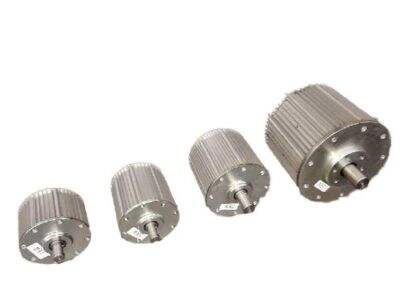
Key Specifications to Consider When Matching Solar and Wind Energy Systems
Several specifications are critical when matching solar storage systems with wind turbines
Capacity: The storage capacity should align with the combined output of the solar and wind systems. Evaluate your peak energy requirements and ensure the storage solution can meet these demands
Depth of Discharge (DoD): This indicates how much energy can be used from the battery without damaging it. A higher DoD allows for more usable energy, critical during low production periods
Round Trip Efficiency: This measures how efficiently energy can be stored and retrieved. A system with higher efficiency minimizes energy loss and maximizes performance
Scalability: Consider whether the storage system can be expanded in the future as energy demands grow or as more renewable energy sources are added
Compatibility with Inverters: Ensure that the inverter used can handle the combined output from both the solar and wind systems. Using a hybrid inverter can simplify integration and improve efficiency
Matching these specifications to your operational needs will ensure that the solar storage system effectively enhances the performance of your wind turbine setup
Wholesale Options for Solar Storage Systems Compatible with Wind Turbines
When looking for wholesale options for solar storage systems that are compatible with residential home wind turbines, it's important to source from reputable manufacturers. Look for suppliers who offer modular and customizable solutions, allowing for scalability and flexibility in meeting specific energy requirements
Consider the following factors when evaluating wholesale options
Minimum Order Quantity (MOQ): Understand the supplier's MOQ and assess whether it aligns with your purchasing plans. Some suppliers may offer lower MOQs for trial orders or custom configurations
Pricing Structure: Inquire about bulk pricing discounts, shipping costs, and any potential additional fees for customization. This can significantly impact your overall investment and budget planning
Lead Times: Confirm lead times for production and delivery. This is particularly important if you are working on a project with a strict timeline
Quality Assurance: Ensure that the manufacturer has stringent quality control processes in place. Certifications such as ISO 9001 can provide assurance of their quality management systems
By evaluating these aspects, you can find a wholesale supplier that meets your requirements for quality, price, and reliability

Solar Storage Solutions for Wind Energy Applications
Solar storage solutions tailored for wind energy applications must address the unique energy generation patterns of wind turbines. Energy storage systems such as battery banks or pumped hydro storage can effectively complement wind energy systems, providing stability and reliability
For example, integrating a battery storage solution allows for the capture of excess energy generated during high wind conditions, which can then be used during low production periods. This ensures a continuous power supply and reduces the need for fossil fuel backup systems
Consider the following when choosing a storage solution
Installation Requirements: Evaluate the installation process for the storage system. Ensure that it is straightforward and compatible with existing infrastructure
Maintenance Needs: Understand the maintenance requirements of the storage system. Some technologies require more frequent checks and replacements than others, which can impact operational efficiency
Environmental Conditions: Assess the specific environmental conditions at your installation site. Factors like temperature extremes, humidity, and exposure to corrosive elements can affect the performance and lifespan of storage systems
Choosing the right solar storage solution can enhance the synergy between solar and wind energy systems, ultimately improving energy efficiency and sustainability
Sourcing Solar and Wind Energy Products Effectively
Effective sourcing of solar and wind energy products requires a strategic approach. Here are some best practices
Research Suppliers: Identify potential suppliers who specialize in renewable energy systems. Look for those with a proven track record in the industry and positive customer reviews
Evaluate Product Specifications: Request detailed specifications for products to ensure they meet your operational requirements. Pay attention to compatibility, efficiency, and performance metrics
Request Samples: Before making bulk purchases, request samples to assess quality and compatibility with your existing systems. This can help identify potential issues early in the procurement process
Negotiate Contracts: Engage in discussions about pricing, terms, and warranties. Ensure that the contract includes provisions for quality assurance and post-purchase support
Consider Local Regulations: Be aware of local regulations that may affect the installation and operation of solar and wind systems. Compliance with these regulations can prevent costly delays and fines
By following these steps, you can streamline the sourcing process and ensure that you acquire high-quality products that meet your renewable energy needs
In summary, effectively matching solar storage systems with residential wind turbines involves careful consideration of specifications, sourcing strategies, and product compatibility. Through informed decision-making, you can achieve a more efficient and sustainable energy solution for your industrial applications
Table of Contents
- How to Choose the Right Solar Storage System for Wind Turbines
- Key Specifications to Consider When Matching Solar and Wind Energy Systems
- Wholesale Options for Solar Storage Systems Compatible with Wind Turbines
- Solar Storage Solutions for Wind Energy Applications
- Sourcing Solar and Wind Energy Products Effectively