 EN
EN
 AR
AR
 BG
BG
 HR
HR
 CS
CS
 DA
DA
 NL
NL
 FI
FI
 FR
FR
 DE
DE
 EL
EL
 HI
HI
 IT
IT
 JA
JA
 KO
KO
 NO
NO
 PL
PL
 PT
PT
 RO
RO
 RU
RU
 ES
ES
 SV
SV
 TL
TL
 IW
IW
 ID
ID
 SR
SR
 UK
UK
 VI
VI
 HU
HU
 TH
TH
 TR
TR
 AF
AF
 MS
MS
 GA
GA
 BE
BE
 IS
IS
 EO
EO
 MY
MY
 KK
KK
 UZ
UZ


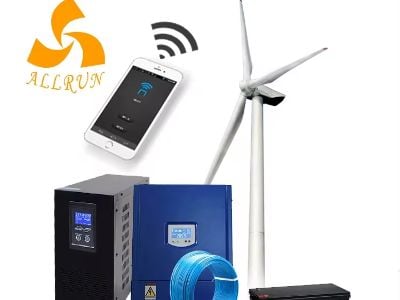
Wind turbines are becoming an increasingly vital source of energy for industrial zones, with the capacity to provide scalable power solutions by 2026. As industries strive to reduce their carbon footprint and enhance energy efficiency, understanding how to choose the right wind turbine is essential for purchasing managers and engineers. This article will guide you through crucial factors such as selecting the appropriate wind turbine, exploring wholesale purchasing options, understanding cost factors, and reviewing various models to help you make informed decisions for your industrial energy needs.
Choosing the Right Wind Turbine for Your Industrial Zone Needs
Selecting the right wind turbine for an industrial zone involves evaluating several key factors. First, consider the energy requirements of your facility. Calculate the total energy consumption and determine the expected wind speed in your area. Wind turbine specifications, such as rotor diameter, rated capacity, and cut-in wind speed, should align with these requirements. A larger turbine may generate more power but could also require more space and higher initial investment.
Next, assess the site conditions. Factors like environmental regulations, noise restrictions, and proximity to residential areas will influence your choice. It's essential to evaluate the turbine's height and design to ensure compliance with local zoning laws and to minimize impact on the surrounding community.
Additionally, consider the turbine's technology. Modern small wind turbine often incorporate advanced features like variable pitch control and grid compatibility, which can enhance performance and efficiency. Opting for turbines with a track record of reliability and low maintenance can also reduce long-term costs.
Wholesale Purchasing Options for Wind Turbines in 2026
When exploring wholesale purchasing options for wind turbines in 2026, it's crucial to approach reliable manufacturers who can provide comprehensive solutions. As a subsidiary of Qingdao ALLRUN Group, we specialize in high-tech renewable energy products, including wind turbines designed for various industrial applications. Engaging with a manufacturer that offers in-house production ensures that you receive quality products tailored to your specifications.
To optimize your purchasing strategy, consider bulk ordering to reduce costs. Many manufacturers offer competitive pricing for larger quantities, making it feasible for industrial zones to invest in multiple units. Additionally, inquire about potential partnerships for ongoing maintenance and support services, which can be beneficial for long-term operational efficiency.
Finally, ensure you discuss lead times and shipping logistics with potential suppliers. Understanding the timeline from order confirmation to delivery is vital for planning installation schedules effectively.
Understanding the Cost Factors of Wind Turbines for Industries
Understanding the cost factors involved in purchasing wind turbines is essential for budget planning. The total cost of ownership includes not only the purchase price of the turbine but also installation, maintenance, and operation expenses over its lifespan. Key components influencing cost include:
Turbine Specifications: The rated capacity and size of the turbine significantly affect the initial price. Larger turbines typically have higher upfront costs but can yield greater energy production.
Installation: Site preparation, foundation construction, and logistical challenges can add to installation costs. It's essential to assess site accessibility and any required infrastructure improvements.
Maintenance: Regular maintenance is crucial for ensuring optimal performance. Evaluate the manufacturer's warranty and service offerings, which can impact long-term costs.
Financing Options: Investigate financing opportunities, such as leases or power purchase agreements (PPAs), which can make the initial investment more manageable.
By considering these factors, industrial buyers can make informed financial decisions and ultimately choose turbines that align with their operational budgets and energy goals.
A Comprehensive Review
In reviewing available wind turbine models for industrial applications, several noteworthy features should be highlighted to guide B2B buyers. The following aspects are essential when evaluating turbine options:
Performance Metrics: Assess each model's energy output at various wind speeds. A good wind turbine should demonstrate performance efficiency across a range of conditions.
Durability: Investigate the materials used in construction and the manufacturer's quality control processes. Turbines designed to withstand harsh weather conditions will offer better long-term reliability.
Technological Innovations: Look for features such as smart monitoring systems that provide real-time data on performance and maintenance needs. This can significantly improve operational efficiency.
Customization Options: Some manufacturers offer customization capabilities to cater to specific operational requirements. Potential buyers should inquire about available options that can enhance the turbine's performance to meet their unique energy demands.
By conducting thorough reviews based on these attributes, purchasing managers can select horizontal axis wind turbine that provide the best value and performance for their industrial zones.
Comparing Wind Turbine Models for Optimal Performance and Value
When comparing wind turbine models, it's essential to evaluate them on several key performance indicators. Here are some critical aspects to consider:
Energy Yield: Look for turbines that offer high energy yield relative to their size and rated capacity. This metric reflects the turbine's efficiency in converting wind energy into electrical power.
Cost Efficiency: Consider both initial investment and potential energy savings. A higher-priced turbine may be justified if it offers significantly greater energy production over its lifespan.
Maintenance Requirements: Evaluate the expected maintenance intervals and associated costs for each model. Turbines with lower maintenance needs can contribute to overall cost savings.
Warranty and Support: Review the manufacturer’s warranty terms and the availability of support services. A robust warranty can provide peace of mind for long-term investments.
Customer Reviews and Case Studies: Insights from existing users can provide valuable information on real-world performance and reliability. Request case studies or testimonials to gauge satisfaction levels from similar industries.
By meticulously comparing these factors, industrial buyers can make informed decisions that align with their energy demands and operational goals, ultimately leading to successful residential wind turbine investments.