 EN
EN
 AR
AR
 BG
BG
 HR
HR
 CS
CS
 DA
DA
 NL
NL
 FI
FI
 FR
FR
 DE
DE
 EL
EL
 HI
HI
 IT
IT
 JA
JA
 KO
KO
 NO
NO
 PL
PL
 PT
PT
 RO
RO
 RU
RU
 ES
ES
 SV
SV
 TL
TL
 IW
IW
 ID
ID
 SR
SR
 UK
UK
 VI
VI
 HU
HU
 TH
TH
 TR
TR
 AF
AF
 MS
MS
 GA
GA
 BE
BE
 IS
IS
 EO
EO
 MY
MY
 KK
KK
 UZ
UZ


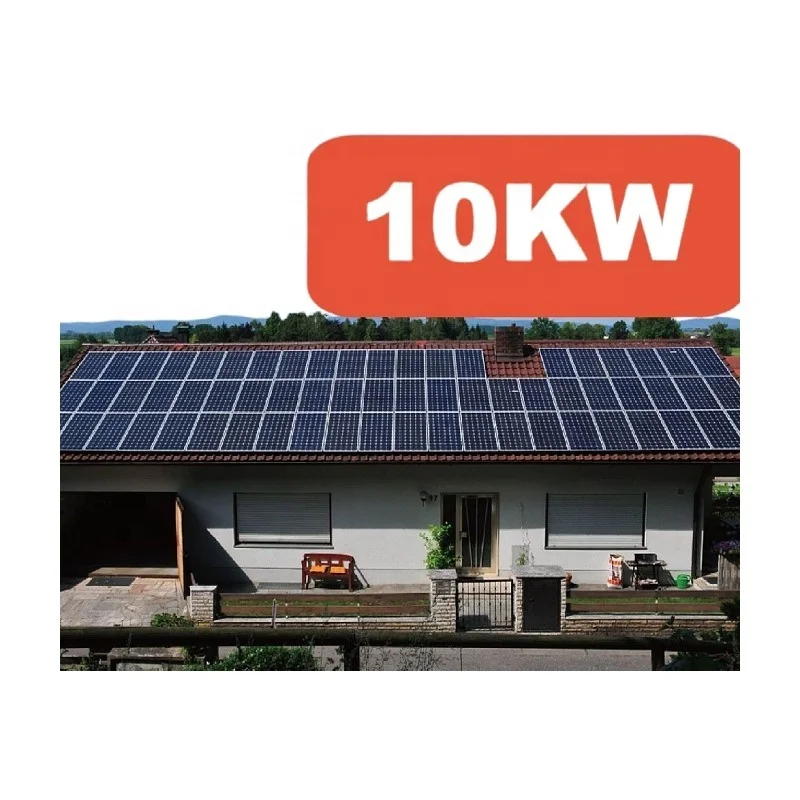
When think about solar power, two options come up: on-grid and off-grid solar setups. Each one have its own pros and cons. Picking the right one for your house can be tough. With ALLRUN, we like to help you get a better idea of both. Let’s explain what each system mean, and how you can pick which one fit your home best.
What to Know About Wholesale Buying
If you’re considering solar power, it’s wise to learn on wholesale buying. This mean getting your solar panel and components at cheaper prices, which help save cash. When buying wholesale, you usually get in large amounts. That can be handy if you plan install lots of panels or if you want assist friends or family with solar too. But keep in mind, you need check the quality of those products. Not every low-price option are reliable. With ALLRUN, we provide solid products that don’t break quick. Purchasing from trusted sellers make sure you get good value for your money. Also, look at the warranty. A strong warranty show the company trust their product. If issues happen, you want protection. Be sure ask about installation too. Some wholesalers just sell parts, while others can assist with setup. Knowing the full process will make you feel easier. The more you understand products and buying, the better decisions you can make.
How to Pick On-Grid vs Off-Grid Solar for Home
Choosing between on-grid and off-grid solar systems is a major decision. An on-grid system link to the main power grid. So you can use normal electricity when sun not out. If you produce more energy than need, you send it back to grid and get credits. This benefit many homeowners because it help them cut costs. On the other side, off-grid systems run totally on their own. That mean you depend only on your panels and battery storage. When power outage happen, you still have energy. It’s great if you live in far places where grid unreliable. However, off-grid can cost more because need larger batteries. Some folks find managing power hard with off-grid, specially on cloudy days. Consider your daily life. If you use plenty energy or in sunny spot, on-grid might suit best. If you prefer full independence and okay with higher start cost, try off-grid. ALLRUN can assist figure your energy needs and which system work good for home. Right pick can change how you use and pay for power big time.
Finding Best Deals on On-Grid and Off-Grid Systems
If thinking solar for your home, you may wonder where get best deals. It’s key to shop around and compare to find system for your needs. Start online is good. Many sites give info on solar system, and some show prices from various firms. You can search “on-grid solar” or “off-grid solar” to see options. Another way is visit local solar companies. They offer hands-on view of panels and setups. Also give estimates based on your house. When talking to them, ask for special deals or discounts. Sometimes government programs help save on install. ALLRUN can guide you and find best choices. Don’t skip customer reviews. Seeing what others say about experiences help decide better. By research and questions, you can get solar that fit home and budget.
How On-Grid and Off-Grid Affect Energy Costs
Energy bills are on everyone mind. How much you pay can vary with solar type you choose. On-grid systems connect to local grid. So when panels make extra energy, you send back to grid. In return, company give credits to lower bill. This a nice way to save! If use less than produce, you might get zero bill. Off-grid not connect, so rely just on panels. While it free you from bills, upfront cost higher because batteries needed. Those batteries expensive, and replace every few years. But after pay, costs stay low. For families in remote spots without grid, off-grid good choice. Think budget and location when decide. ALLRUN help explain costs and pick right system for home.
On-Grid vs Off-Grid Solar Explained
Let’s simple explain differences between on-grid and off grid solar electricity. On-grid setup connect panels to electricity grid. You use solar energy day time, and get from grid at night when need. If panels make more than use, extra go back to grid. That’s net metering, and it lower your bill. On-grid often easier install and cheaper, since no batteries required.
Now about off-grid systems. These not link to grid at all. So must depend on what panels create. For night use, need batteries store energy. Off-grid suit people in remote areas hard to reach grid. But they cost more with batteries and extra panels for enough power.
When choose, think lifestyle, location, and budget. If want save on power and reliable source, on-grid may fit best. For independence without grid, off-grid could work. ALLRUN help understand options and find solar that suit your home.