 EN
 AR
 BG
 HR
 CS
 DA
 NL
 FI
 FR
 DE
 EL
 HI
 IT
 JA
 KO
 NO
 PL
 PT
 RO
 RU
 ES
 SV
 TL
 IW
 ID
 SR
 UK
 VI
 HU
 TH
 TR
 AF
 MS
 GA
 BE
 IS
 EO
 MY
 KK
 UZ


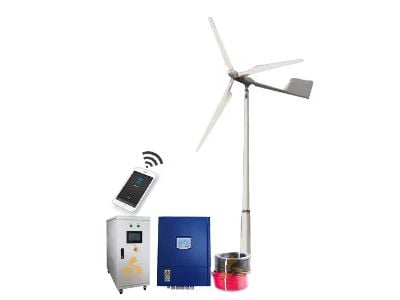
Wind turbine kits for industrial use represent a strategic investment for businesses looking to harness renewable energy efficiently. These scalable and efficient systems not only contribute to sustainability goals but also help organizations reduce energy costs over time. When considering purchasing wind turbine kits, buyers often have key concerns related to specifications, reliability, installation challenges, and overall value. This article will provide a comprehensive guide to assist purchasing managers, engineers, and distributors in making informed decisions regarding wind turbine kits tailored for industrial applications.
Key Specifications to Consider for Wind Turbine Kits in Bulk Orders
When evaluating wind turbine kits for bulk orders, several key specifications are critical to ensure optimal performance and suitability for the intended application.
Power Output: Assess the expected power output of the wind turbine, typically measured in kilowatts (kW). This figure determines how much energy the turbine can produce under ideal wind conditions. Understanding your energy needs will help in selecting the right capacity.
Rotor Diameter: The rotor diameter impacts the turbine's ability to capture wind energy. A larger rotor can harness more wind, resulting in higher energy production. It's essential to match the rotor size with the site's wind profile.
Cut-in and Cut-out Speeds: Cut-in speed is the minimum wind speed at which the turbine begins generating electricity, while cut-out speed is the maximum wind speed before the turbine shuts down to prevent damage. These specifications are crucial in evaluating the operational range of the turbine.
Material Specifications: The construction materials affect durability and performance under varying environmental conditions. Look for turbines made from high-quality, corrosion-resistant materials to ensure longevity, especially in harsh climates.
Certification and Compliance: Ensure the wind home wind turbine kits meet relevant industry standards and certifications, which can vary by region. Compliance with these standards is essential for safety and performance assurance.
These specifications should align with your operational needs and the environmental conditions of the installation site. Collaborating with a knowledgeable supplier can further refine your selection process.
What to Look for in Wind Turbine Kits?
When selecting wind turbine kits, buyers should consider a range of factors that impact functionality, reliability, and value:
Efficiency Ratings: Look for turbines with high efficiency ratings to ensure maximum energy conversion from wind to electricity. This metric often indicates the turbine's design quality and suitability for your specific wind conditions.
Scalability Options: For growing businesses, scalability is essential. Choose kits that allow for easy expansion, whether through additional turbines or higher-capacity models that can be integrated into existing systems.
Installation Requirements: Assess the home wind turbine kits complexity of installation. Some kits come with comprehensive installation guides and support services, which can simplify the setup process. It’s beneficial to choose a supplier who also offers professional installation services.
Maintenance Needs: Consider the maintenance requirements of the turbine. Kits that require less frequent maintenance and have readily available replacement parts can reduce operational downtime and costs.
Warranty and Support: A robust warranty and customer support from the manufacturer can provide peace of mind. Inquire about the specifics of the warranty and the manufacturer’s support capabilities for maintenance and troubleshooting.
By carefully evaluating these factors, buyers can select wind turbine kits that meet their operational needs and budget constraints.
Where to Source Reliable Wind Turbine Kits for Industrial Projects?
Sourcing reliable wind turbine kits is critical for ensuring project success. Here are some avenues to consider:
Established Manufacturers: Partner with reputable manufacturers known for quality and innovation in renewable energy solutions. A company with strong in-house production capabilities, like Qingdao ALLRUN Group, can provide assurance of product quality and consistency.
Industry Trade Shows: Attend renewable energy trade shows and conferences. These events allow you to meet manufacturers, compare products, and gather first-hand information about the residential wind turbine kits technologies available.
Online Marketplaces and Directories: Utilize B2B platforms and industry directories to identify potential suppliers. Look for companies with verified reviews and a solid market presence.
Local Distributors: Engaging with local distributors can offer logistical advantages, including reduced shipping costs and more accessible support services. They often have established relationships with manufacturers and can provide valuable insights.
Networking with Peers: Leverage industry contacts and networks. Colleagues in your field can provide recommendations based on their experiences with specific suppliers and products.
Taking these steps will enhance your chances of finding a reliable supplier that can meet your project specifications.
Common Installation Problems with Wind Turbine Kits and Solutions
Installing wind turbine kits can present challenges that, if not addressed, can affect performance and safety. Here are some common issues and their solutions:
Site Assessment Errors: Inaccurate site assessments can lead to choosing unsuitable locations for turbine installation. It’s critical to conduct thorough wind resource assessments and consider factors like terrain and proximity to obstacles. Engaging professionals for site evaluations can mitigate this risk.
Foundation Issues: A poorly designed foundation can compromise the turbine's stability. Ensure that the foundation is engineered to accommodate the specific weight and dimensions of the turbine. Consultation with structural engineers is advisable.
Electrical Connection Challenges: Improper electrical connections can lead to inefficiencies or failures. It’s essential to adhere to electrical codes and standards during installation. Hiring certified electricians for the connection process will ensure compliance and safety.
Mechanical Alignment Problems: Misalignment during assembly can cause operational issues. Following the manufacturer’s assembly guides and verifying alignment with precision tools during installation can prevent these problems.
Weather-Related Delays: Inclement weather can hinder installation progress. Planning installation for favorable weather conditions and allowing for buffer time in the project schedule can help manage these delays effectively.
By anticipating these challenges and preparing solutions in advance, you can enhance the installation process and ensure long-term operational success.
Features and Benefits for Buyers
Investing in wind turbine kits offers numerous features and benefits tailored to industrial applications:
Cost Efficiency: Wind turbine kits can significantly reduce energy costs over time, making them a financially sound investment for businesses. The initial capital expenditure can often be recouped through savings on energy bills.
Environmental Impact: Utilizing wind energy contributes to reducing carbon footprints and supports sustainability goals. This can enhance a company's reputation and appeal to environmentally conscious consumers and partners.
Energy Independence: By generating your own electricity, businesses can reduce reliance on external energy sources, providing greater control over energy costs and stability.
Innovative Technology: Many wind turbine kits incorporate advanced technologies that improve efficiency and reliability. Features such as variable pitch control and real-time monitoring systems can enhance performance.
Customization Options: Tailored solutions to meet specific operational requirements are often available. This allows buyers to configure systems that align with their energy needs and site characteristics.
Understanding these features and benefits will enable buyers to appreciate the long-term value of wind turbine kits and make informed decisions that align with their business strategies.